Why Commercial Small Animal Control Requires Professional Expertise
People searching for commercial small animal control are typically seeking professional help to safely and effectively remove pests, with local service providers equipped to handle the job.
Understanding why commercial small animal control requires professional expertise is essential for property owners facing these challenges. Small animals such as rodents, raccoons, or squirrels can cause significant damage to structures, electrical systems, and stored goods, making swift and effective removal crucial. Relying on experienced service providers ensures that the job is handled safely and thoroughly, reducing the risk of recurring issues and preventing potential health hazards. Property owners in the area often find that working with local contractors who specialize in commercial small animal control provides peace of mind, knowing that experienced professionals are managing the situation with the appropriate tools and knowledge.
Exploring this topic further reveals the practical reasons why professional intervention is vital for commercial properties. Small animal infestations can quickly escalate if not addressed properly, leading to costly repairs and disruptions to business operations. Local service providers understand the specific challenges faced by commercial spaces and are equipped to implement targeted solutions. They can identify entry points, assess the extent of the problem, and execute removal strategies that prioritize safety and effectiveness. For property owners seeking reliable, expert assistance, connecting with local pros who specialize in commercial small animal control offers a practical way to protect their investments and maintain a secure environment.
- Commercial Small Animal Control - when infestations threaten business operations and require expert assessment to identify the species involved and develop effective removal strategies.
- Commercial Small Animal Control - in cases where property damage caused by animals needs precise inspection and repair, which local contractors handle with specialized knowledge.
- Commercial Small Animal Control - if ongoing animal activity raises health concerns, requiring professionals to implement humane and effective exclusion methods.
- Commercial Small Animal Control - when initial attempts to resolve animal issues fail, making it necessary to rely on experienced service providers for comprehensive solutions.
- Commercial Small Animal Control - in situations where animal entry points are difficult to access or identify, prompting the need for skilled experts to locate and seal entryways properly.
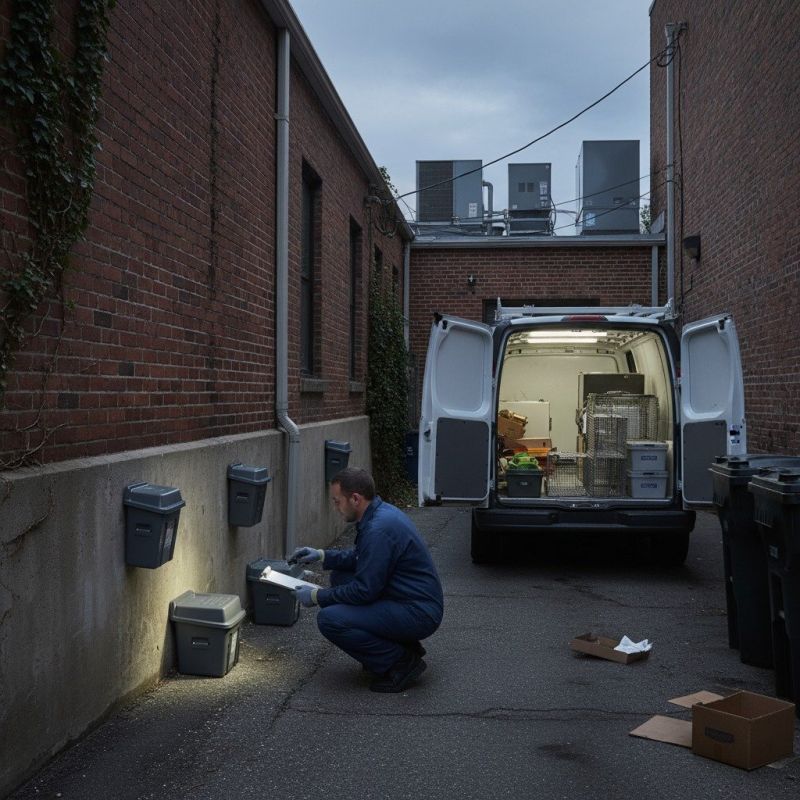
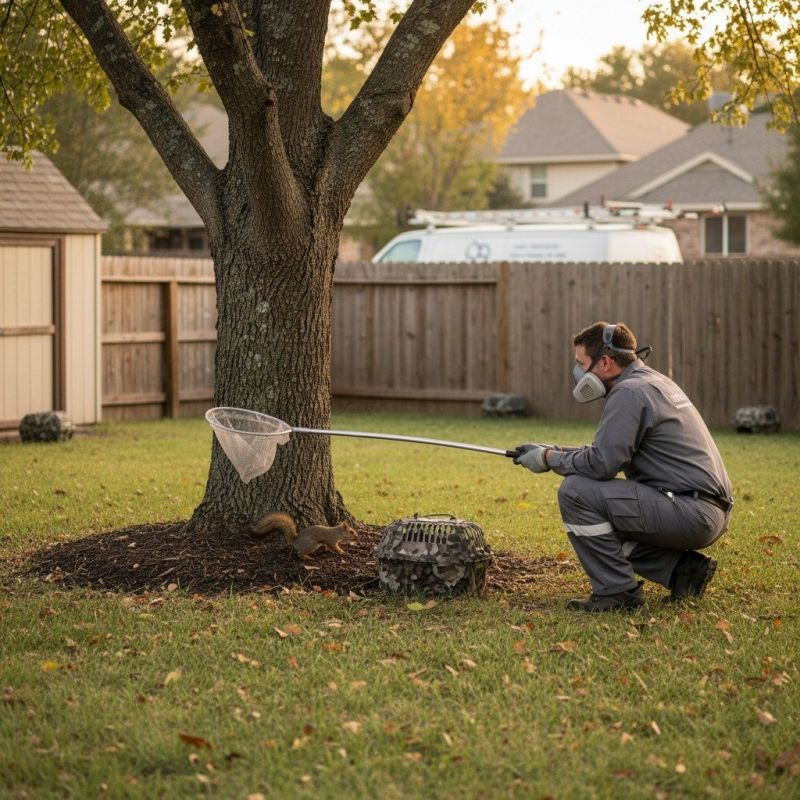
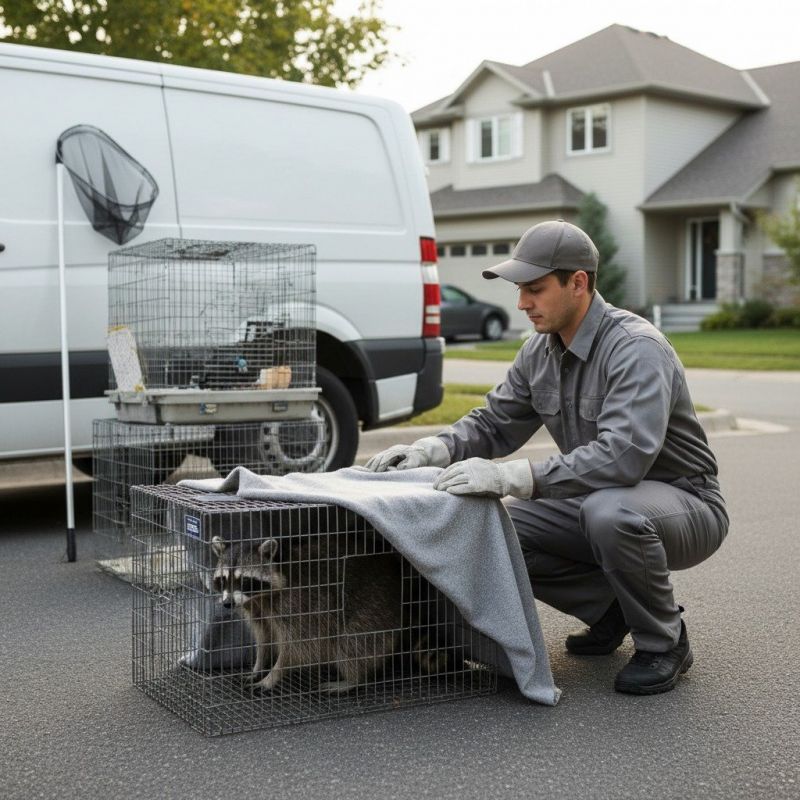
When people search for why commercial small animal control requires professional expertise, they are often trying to understand the complexities involved in managing pests such as rodents, raccoons, squirrels, or other small animals that invade business or industrial properties. These searches typically stem from concerns about ongoing infestations, property damage, or health risks associated with these pests. Homeowners or property managers want to know whether they can handle the problem themselves or if a specialized approach is necessary. They are seeking guidance on how to effectively and safely eliminate these animals, prevent future issues, and comply with any local regulations that might apply to commercial properties.
This topic relates to a variety of problems and plans that involve both immediate pest removal and long-term prevention strategies. Small animals can cause significant damage to building structures, electrical wiring, insulation, and stored goods. Additionally, their presence can lead to sanitation issues or the spread of disease, making professional intervention critical. Property owners often consider plans such as sealing entry points, setting traps, or installing deterrents, but these efforts require detailed knowledge of animal behavior and appropriate techniques. Without proper expertise, attempts at removal can be ineffective or even counterproductive, leading to recurring problems or unintended harm to the animals or property.
The types of properties that typically come up in commercial small animal control projects include warehouses, retail stores, restaurants, manufacturing facilities, and office complexes. These properties often have large, open spaces with access points that small animals can exploit, such as vents, gaps around doors, or damaged roofing. Food storage and processing sites are especially vulnerable, as pests can contaminate supplies and violate health codes. Industrial sites with extensive wiring or insulation are also at risk of damage from rodents or other small animals. Local service providers understand the unique challenges these properties present and have the experience to develop tailored solutions that address both the immediate infestation and ongoing prevention.
Understanding why commercial small animal control requires professional expertise helps property owners recognize the importance of engaging experienced service providers. These professionals bring specialized knowledge of animal habits, local regulations, and effective removal techniques that general DIY methods cannot match. They can assess the specific vulnerabilities of a property, implement targeted removal strategies, and help establish long-term defenses against future invasions. For property owners and managers, working with local pros ensures that small animal issues are handled safely, efficiently, and in a way that minimizes disruption to daily operations. This approach ultimately protects the property’s integrity, safety, and compliance with health standards.
Wildlife exclusion projects - these involve sealing entry points and installing barriers to prevent animals from accessing commercial properties, requiring expertise in animal behavior and building assessments.
Structural repair and reinforcement - fixing damage caused by small animals and strengthening vulnerable areas to prevent future infestations calls for skilled carpentry and construction knowledge.
Habitat modification services - removing attractants and modifying environments to make sites less appealing to small animals, which demands planning and understanding of animal habits.
Sanitation and cleanup projects - safely removing animal waste and debris to restore property hygiene, requiring proper handling techniques and safety protocols.
Pest trapping and removal services - employing specialized traps and humane removal methods that need precise placement and understanding of animal behaviors.
Inspection and assessment services - conducting thorough evaluations of properties to identify vulnerabilities and entry points, which involves detailed inspection skills and planning expertise.
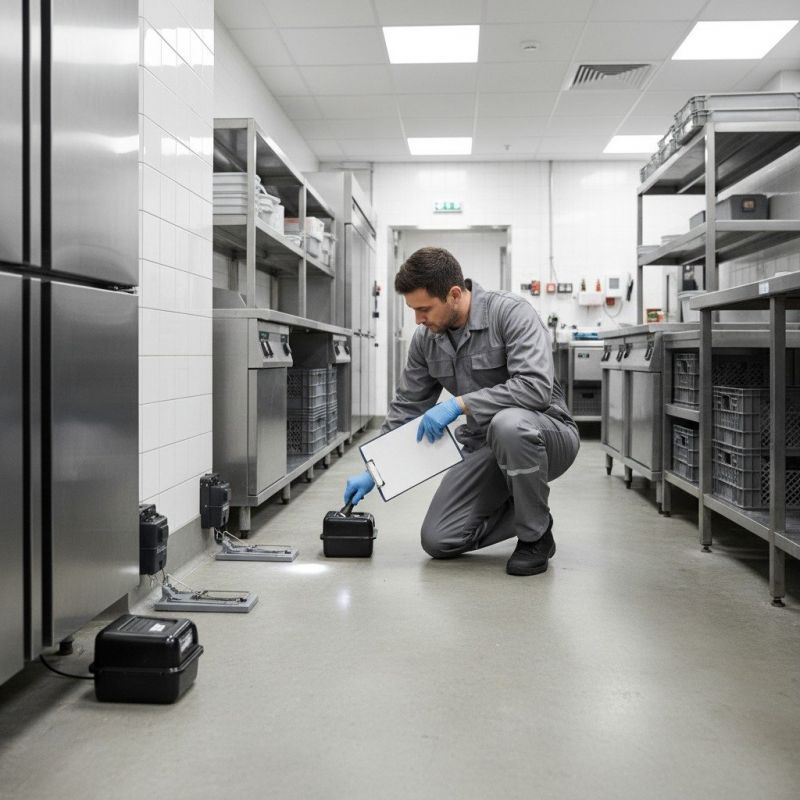
When evaluating service providers for commercial small animal control, it’s important to consider their experience with similar projects. Contractors who have handled commercial settings or specific types of small animal issues are more likely to understand the complexities involved and deliver effective solutions. Asking about their past work can reveal whether they have a track record of successfully managing projects comparable in scope and challenge to the current needs. This insight helps ensure that the chosen contractor has the practical knowledge necessary to handle the unique demands of commercial environments.
Clear written expectations are a critical aspect of choosing the right service provider. A reputable contractor should be able to provide a detailed scope of work, outlining the procedures, materials, and methods that will be employed. This transparency helps prevent misunderstandings and sets a foundation for accountability. When reviewing proposals or estimates, it’s beneficial to compare how well each contractor articulates their approach and whether their expectations align with the specific requirements of the project. Well-defined expectations contribute to smoother communication and a more predictable process from start to finish.
Reputable references and strong communication are key indicators of a reliable commercial small animal control provider. Contacting previous clients can offer valuable insights into the contractor’s professionalism, quality of work, and ability to meet deadlines. Additionally, service providers who communicate clearly and promptly during the initial consultation are more likely to maintain effective dialogue throughout the project. Good communication ensures that questions are answered, concerns are addressed, and the project progresses with a shared understanding. These qualities help foster a positive working relationship and increase confidence that the job will be handled competently.
Property owners often search for why commercial small animal control requires professional expertise when they are planning practical projects around their homes and businesses. Local pros provide Commercial Small Animal Control services for everyday jobs and straightforward project options.
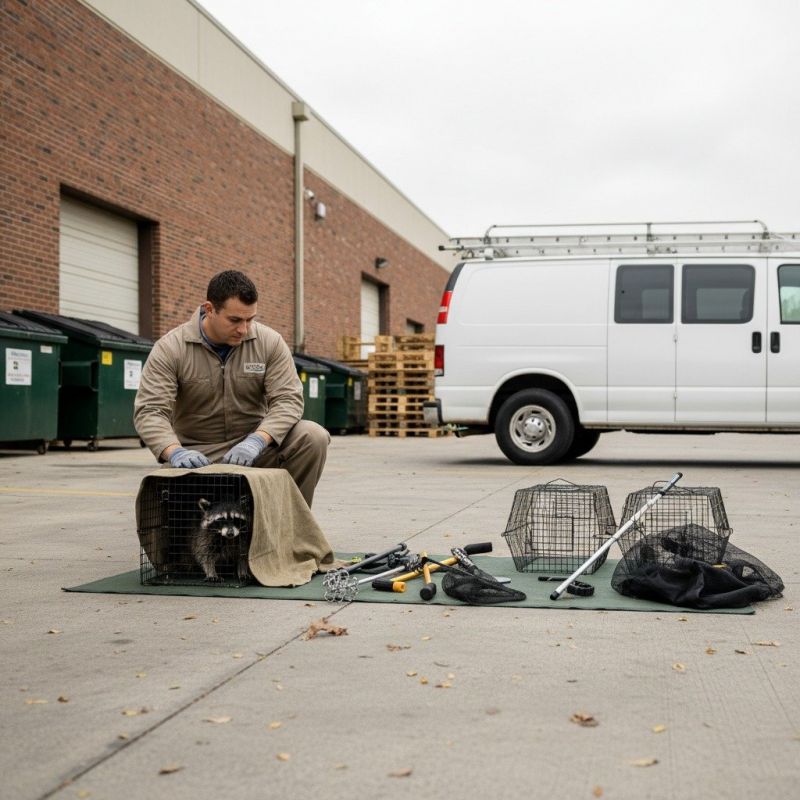
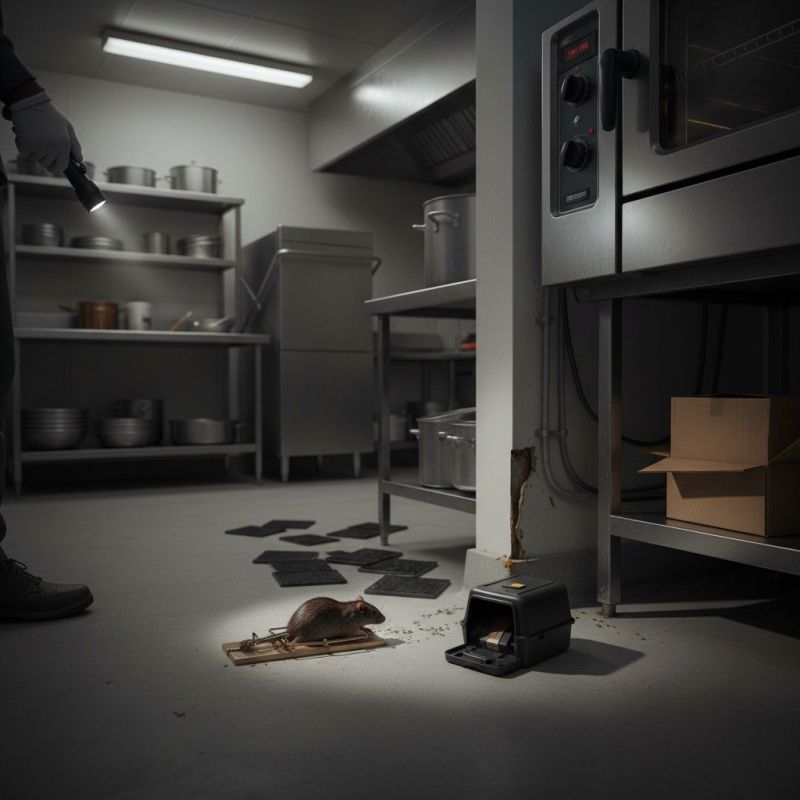
Commercial small animal control projects often involve complex challenges that require specialized knowledge and experience. Property owners may encounter situations such as ongoing rodent or pest activity that disrupts daily operations or compromises building integrity. In these cases, relying on local contractors who understand the unique needs of commercial properties ensures that the problem is addressed effectively and efficiently, preventing further issues down the line.
Additionally, commercial environments often demand more than simple trapping or exclusion methods. Local service providers with expertise in small animal control can navigate the intricacies of building structures, identify entry points, and implement solutions that are both thorough and durable. This level of professionalism helps property owners avoid recurring problems and ensures that the work complies with relevant standards, making it a practical choice for maintaining a safe and functional commercial space.
Why does commercial small animal control require professional expertise? Professionals have the experience to identify the types of animals involved and understand their behaviors, ensuring effective removal and prevention strategies.
What risks are associated with attempting commercial small animal control without experts? Without proper training, there is a higher risk of injury, animal escape, or property damage, making professional services essential for safe and humane handling.
How do local contractors ensure the effectiveness of commercial small animal control? They utilize specialized tools and techniques tailored to the specific animals and property layout, which are difficult for non-experts to replicate.
Why is it important to address small animal issues promptly with professional help? Timely intervention by experienced service providers helps prevent further damage, health hazards, and the spread of pests or disease.
What makes professional commercial small animal control services reliable? Local service providers have the knowledge of local wildlife patterns and access to proven methods, ensuring comprehensive and humane control solutions.
Understanding wildlife behavior - local contractors can assess how small animals are entering and nesting on the property, helping property owners develop effective exclusion strategies.
Proper equipment and tools - professionals have access to specialized tools that ensure safe and thorough removal of animals and their habitats.
Knowledge of local regulations - experts understand legal requirements related to wildlife removal, preventing potential legal issues for property owners.
Customized solutions - service providers can tailor control methods to specific property layouts and animal types, ensuring more effective and humane results.
If you are thinking about why commercial small animal control requires professional expertise for a property, this guide is meant to help you understand this topic, the typical project types, and how different options might fit your plans.
When you are ready, you can use the quote form on this page to share a few details about your project. From there, local pros can review the basics and follow up with options that match what you have in mind.