How Wildlife Can Damage Roofs, Attics, and Insulation
People seeking wildlife removal are usually looking to prevent animals from damaging roofs, attics, and insulation, and local service providers can safely and effectively handle the job.
Understanding how wildlife can damage roofs, attics, and insulation is essential for property owners in the area. Animals such as raccoons, squirrels, and birds often seek shelter in attics and roof spaces, which can lead to structural damage, chewed wiring, and compromised insulation. Recognizing the signs early can help prevent costly repairs and protect the integrity of a building. Property owners who notice unusual noises, droppings, or damage around their roofs and attics may find it beneficial to explore solutions offered by local service providers experienced in wildlife removal and prevention.
Connecting with trusted local contractors can make a significant difference in addressing wildlife-related damage effectively. These professionals specialize in safe removal and exclusion techniques that prevent animals from returning and causing further harm. By working with experienced wildlife removal services, property owners can ensure their roofs, attics, and insulation are protected from future damage, maintaining the safety and value of their property. Keep reading to learn more about how wildlife can impact your home and the practical steps local experts can take to help safeguard your property.
- Wildlife intrusion repair - homeowners noticing damage to their roofs, attics, or insulation can rely on local contractors to assess and repair the areas affected by wildlife.
- Attic cleanup and restoration - when animals have nested or left waste in attics, local service providers can safely remove debris and restore insulation.
- Roof damage repair - signs of chewed or displaced roofing materials often indicate wildlife activity, with local pros providing targeted repairs to prevent further issues.
- Insulation replacement services - wildlife can compromise insulation integrity, prompting local experts to remove contaminated material and install new insulation.
- Wildlife exclusion and prevention - to prevent future damage, local contractors can seal entry points and implement deterrent measures around roofs and attics.
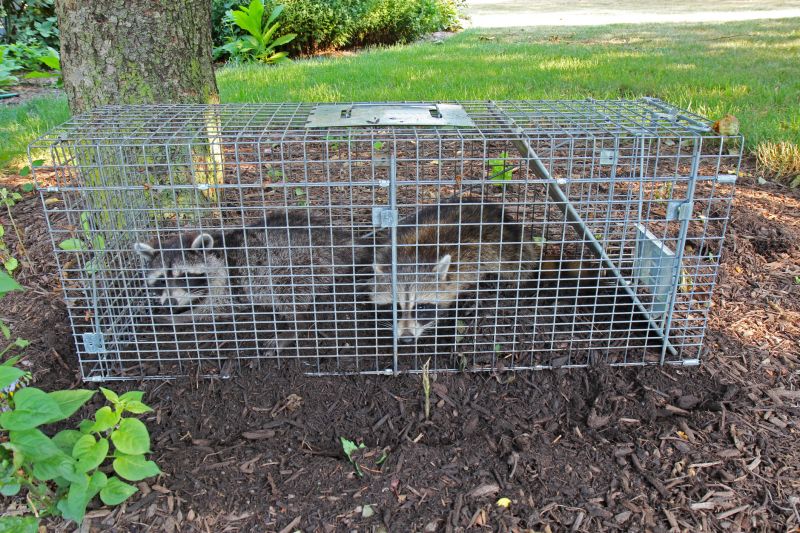
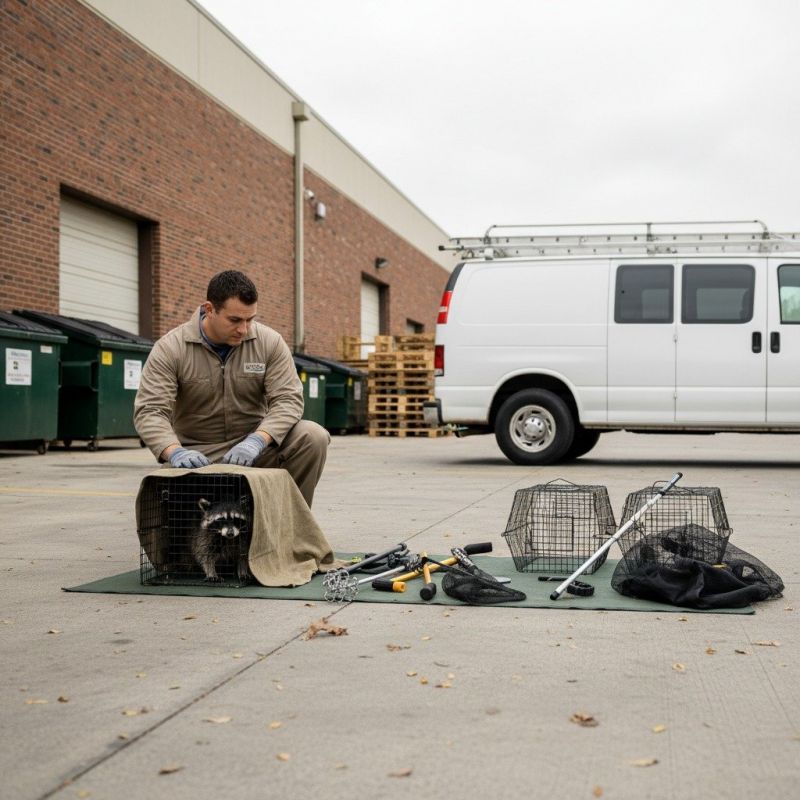
When people search for information about how wildlife can damage roofs, attics, and insulation, they are often concerned about the potential for animals to cause structural problems or create health hazards within their homes. This topic is commonly explored by homeowners who notice signs of animal activity, such as strange noises, droppings, or damage to roofing materials. It also relates to plans for repairs or preventative measures to protect the property from future wildlife intrusion. Understanding the ways animals can impact these areas helps homeowners identify problems early and consider the appropriate services needed to address them effectively.
The issues associated with wildlife damage typically involve animals gaining access to the attic or roof space, where they may establish nests or dens. Common culprits include raccoons, squirrels, bats, birds, and even rodents. These creatures can gnaw on wood, tear apart insulation, or create entry points that compromise the roof’s integrity. Damage to insulation not only reduces energy efficiency but can also lead to increased utility costs and discomfort. Homeowners often seek guidance on how to repair or reinforce their roofs and attics to prevent wildlife from returning, making the role of local service providers crucial in both addressing existing damage and implementing exclusion strategies.
Certain types of properties are more vulnerable to wildlife damage because of their design or location. Older homes with less secure roofing materials, attic vents, or gaps in the eaves tend to be more susceptible. Properties in wooded or rural areas are also at higher risk, as they are closer to natural habitats where animals reside. Additionally, homes with poorly maintained or damaged roofing are more accessible to wildlife seeking shelter or nesting sites. Homeowners with these property features often look for local contractors specializing in wildlife exclusion, roof repairs, and insulation services to safeguard their homes from ongoing or future wildlife-related issues.
Wildlife can cause significant damage that leads to costly repairs if not addressed promptly. Damage to roofs and attics can include broken shingles, chewed wiring, or compromised structural elements. Insulation damage can result in reduced energy efficiency and increased heating or cooling costs. Recognizing the signs of wildlife intrusion-such as unusual odors, droppings, or visible damage-is an important step for homeowners. Local service providers experienced in wildlife removal and property protection can help assess the extent of damage, remove animals safely, and implement measures to prevent future problems. Connecting with these professionals ensures that homes are protected from the ongoing risks posed by wildlife damage to roofs, attics, and insulation.
Attic Insulation Installation - Professionals who install or replace attic insulation often address damage caused by wildlife, ensuring proper sealing against future intrusions.
Roof Repair and Replacement - Local contractors specializing in roof repairs can fix damage caused by animals and reinforce structures to prevent wildlife entry.
Gutter Cleaning and Maintenance - Gutter services help remove debris and prevent animal nesting, reducing the risk of wildlife-related damage to roofs and attics.
Pest Proofing Services - Experts in pest proofing focus on sealing entry points that wildlife use to access roofs and attics, protecting insulation and structural integrity.
Attic Ventilation Services - Proper ventilation installation and repairs can help reduce conditions that attract wildlife and cause damage to roofs and insulation.
Chimney Cap Installation - Installing chimney caps prevents animals from entering and damaging attic spaces and insulation through chimneys and roof vents.
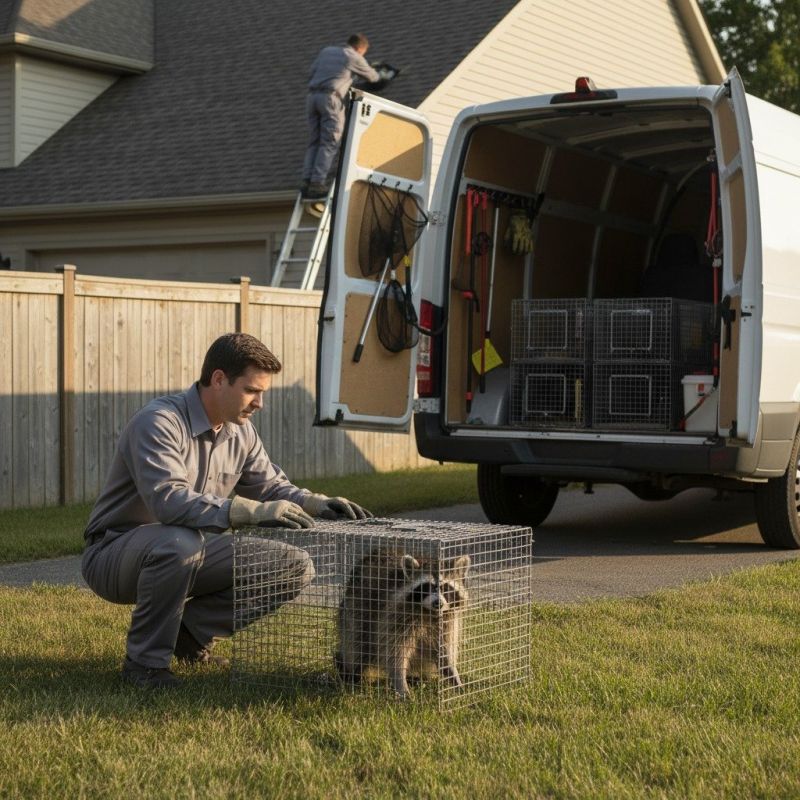
When comparing wildlife removal service providers, it’s important to consider their experience with similar projects involving how wildlife can damage roofs, attics, and insulation. An established local contractor will often have a track record of addressing these specific issues, demonstrating familiarity with common entry points and the types of damage wildlife can cause. This experience can help ensure that the chosen service provider understands the nuances of wildlife-related damage and can recommend effective removal and prevention strategies tailored to the particular situation.
Clear written expectations are essential when evaluating potential service providers. Homeowners should seek detailed descriptions of the scope of work, including how wildlife will be removed, how access points will be sealed, and what steps will be taken to restore damaged insulation or roofing materials. Transparent communication about these aspects helps prevent misunderstandings and ensures that both parties are aligned on the work to be performed. Service providers who provide comprehensive written estimates and explanations are generally more reliable in delivering consistent results.
Reputable references and good communication are key factors in selecting a wildlife removal specialist. Pros with positive feedback from previous clients often indicate a history of professionalism and effective work. Additionally, service providers who are responsive and willing to answer questions about their methods and experience can offer peace of mind. This level of communication helps homeowners feel confident that the contractor understands the importance of addressing how wildlife can damage roofs, attics, and insulation, and can handle the project efficiently and thoroughly.
Property owners often search for how wildlife can damage roofs, attics, and insulation when they are planning practical projects around their homes and businesses. Local pros provide Wildlife Removal services for everyday jobs and straightforward project options.
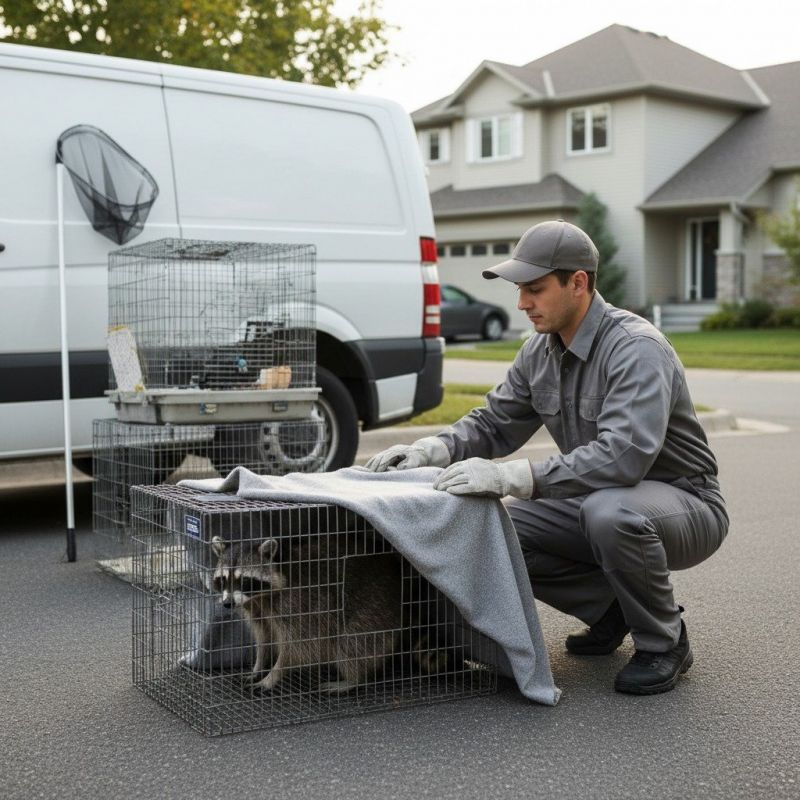
Wildlife can often find ways into rooftops, attics, and insulation, especially when property owners notice signs of intrusion like strange noises, droppings, or damaged shingles. Small animals such as raccoons, squirrels, and birds may chew through roofing materials or create entry points that allow them access to hidden spaces. Once inside, they can cause significant damage by tearing apart insulation to build nests or by gnawing on electrical wiring, which can lead to safety hazards and costly repairs. Property owners in the area might seek out wildlife removal services to address these issues promptly and prevent further damage to their homes.
In addition to physical damage, wildlife can compromise the integrity of attic spaces and insulation, reducing their effectiveness and leading to higher energy costs. Animals that nest in attics can leave behind waste and debris, contributing to unpleasant odors and potential health concerns. Recognizing the signs of wildlife activity early can help property owners avoid extensive damage and costly repairs. Local contractors specializing in wildlife removal can safely and effectively handle these situations, helping homeowners restore their roofs, attics, and insulation to proper condition.
How can wildlife damage roofs and attics? Wildlife such as raccoons, squirrels, and birds can create holes or gaps in roofs and attics, leading to structural damage and potential entry points for pests.
What types of damage can insulation sustain from wildlife? Wildlife can tear, displace, or nest in insulation, reducing its effectiveness and causing insulation to become contaminated or degraded.
Why is wildlife removal important for protecting roofs and attics? Removing wildlife helps prevent further damage, reduces health risks from droppings or nests, and secures the property against future intrusions.
How do wildlife pests typically access roofs and attics? They often enter through existing gaps, vents, or damaged areas in the roof or eaves, and may also create new entry points while searching for shelter.
What role do local contractors play in repairing wildlife damage? Local service providers can assess the damage, safely remove wildlife, and perform repairs to restore roof integrity and prevent future issues.
Identify entry points - inspecting roof and attic areas can reveal how wildlife can damage roofs, attics, and insulation, enabling property owners to plan effective removal and sealing with local contractors.
Assess insulation damage - evaluating insulation for signs of wildlife intrusion helps determine the extent of damage and guides the need for removal or replacement services provided by local pros.
Implement preventative measures - installing barriers and wildlife-proofing features can reduce future damage caused by wildlife, with local contractors offering tailored solutions.
Schedule professional inspections - regular checkups by local wildlife removal services can catch early signs of damage, preventing more extensive and costly repairs to roofs, attics, and insulation.
If you are thinking about how wildlife can damage roofs, attics, and insulation for a property, this guide is meant to help you understand this topic, the typical project types, and how different options might fit your plans.
When you are ready, you can use the quote form on this page to share a few details about your project. From there, local pros can review the basics and follow up with options that match what you have in mind.